Cosequin is the glucosamine brand most vets recognize by name, and switching away from it only makes sense once you know which of three reasons you are switching for. Each one points at a different product.
We earn a commission when you buy through our Amazon links, at no extra cost to you. It never changes our rankings, and we say so when the cheaper product is the better buy. How this works.
First, in fairness to the thing you are replacing. Cosequin is made by Nutramax Laboratories, it has been on shelves and in veterinary practices for decades, and it is the joint supplement most vets in the US recognize by name. Its formulas are built on glucosamine hydrochloride and sodium chondroitin sulfate carrying Nutramax's own raw-material trade codes, the range is sized by dog weight rather than sold one-size-fits-all, and the maker carries the National Animal Supplement Council's quality seal. In a category with no pre-market approval by anybody, a long-established maker that submits to outside auditing is a genuinely sensible default. That is why it is the default.
So this page is not an argument against Cosequin. It is a sorting exercise, because "what is better than Cosequin" is three completely different questions and they have three different answers. Work out which one is yours before you spend anything.
Which of the three reasons is yours?
Why you are looking
What actually changes it
Where to go
It costs too much per month, especially for a big dog
A cheaper product, or a cheaper active
The budget picks below
The dog spits out the tablet
The format, not the brand
Read the next section first
It did not seem to do anything
A different active ingredient - or a vet conversation
The different-active picks below
If the problem is cost
This is the commonest reason, and it is a completely reasonable one - a large dog on a chondroprotective supplement is a standing monthly bill for something nobody can promise will work. Two honest routes down. The first is a multi-ingredient soft chew from a lower-priced brand, which usually gets you glucosamine plus extras at a lower cost per day. The second, and the one most people do not consider, is to switch active rather than brand: a single-ingredient omega-3 oil is the cheapest thing in this whole category and it is not resting on the same evidence base.
Before you switch for cost, do the arithmetic properly: cost per day at your dog's weight, not price per tub. A big tub dosed twice daily for an 80-lb dog can cost more per month than a small expensive one. Joint supplements for a large dog works through that calculation, because for a big dog the cost per month is the decision.
If the problem is that your dog will not take it
Here is the honest answer that costs us a sale: the cheapest fix for a refusal problem is usually the same brand in a different format, not a different brand. Nutramax sells soft chews as well as chewable tablets, and a dog that reliably spits out a tablet will often eat a soft chew like a treat. If you have only ever tried the tablet, try the chew before you switch manufacturers - you keep the maker you were happy with and change only the thing that was failing. Our guide to which Cosequin formula is which sets out what is in each one, and chews, tablets or powder covers the format question on its own terms.
If you have tried the chew and your dog still refuses, then format is a brand problem, and the soft-chew specialists below exist for precisely this dog.
If the problem is that it did not seem to work
This one needs the most honesty, because it is where most shopping advice quietly misleads people. Swapping one glucosamine-and-chondroitin product for another glucosamine-and- chondroitin product is switching between two things that rest on the same uncertain evidence. The AKC's own summary of the research is that scientists have been investigating glucosamine and chondroitin since the 1980s and there is still no common consensus; a 2012 review of human studies concluded that the question of the benefit of glucosamine treatment remains largely unanswered. The AKC also notes the FDA regulates these as dietary supplements rather than drugs, so they never went through a pre-market review at all.
That cuts both ways, and we have written the long version at glucosamine for dogs. "Largely unanswered" is not "does not work", and the AKC notes joint supplements are commonly used early and throughout arthritis because they are safe for long-term use in most patients. But it does mean that if one glucosamine product did nothing visible for your dog over a fair trial, the most likely alternatives worth trying are the ones that change the actual ingredient:
Green-lipped mussel - a different shellfish-derived ingredient, usually sold alongside glucosamine rather than instead of it. What it is and which to buy.
Omega-3 (EPA and DHA) from fish oil - a different mechanism entirely, the cheapest option in the category, and the one most often mentioned in veterinary nutrition material for arthritic dogs. Read the label, not the box.
ASU, added to the glucosamine base - the thing Dasuquin adds, from the same maker. It is the step up a vet is most likely to name next.
And the genuinely important alternative, which is not a product: if your dog is uncomfortable now, the interventions with the strongest evidence behind them are veterinary pain management and weight loss, not anything on a supplement shelf. The 2022 AAHA pain management guidelines exist for exactly that conversation. Prescription or over-the-counter explains what is on each side of the counter, and why a lean old dog moves better covers the free one.
What we ranked these on
We will not score a supplement on medical effectiveness we cannot verify, and no one honestly can. So the ranking measures the things that are checkable:
Whether it is actually a different proposition. A product that is another glucosamine tablet at a slightly lower price is not an alternative in any useful sense. Each pick here changes something real - the maker, the format, the active, or the cost structure.
Label transparency. A named ingredient form, a stated amount per chew, and a weight band. Nobody verifies the contents of these tubs before sale, so a label you can evaluate is the only kind worth buying.
Cost per day at a realistic dog weight rather than the price on the tub.
Whether a dog will reliably take it. A supplement your dog refuses is a supplement that does nothing, which makes palatability a real criterion rather than a soft one.
Who makes it, and whether anyone outside the company has looked. The NASC quality seal is not a government approval and is not evidence of benefit - it means the maker keeps written production procedures, runs adverse-event reporting, submits to random independent lab testing against label claim and passes a third-party audit. In a category with no pre-market approval, that is the most useful signal on the box.
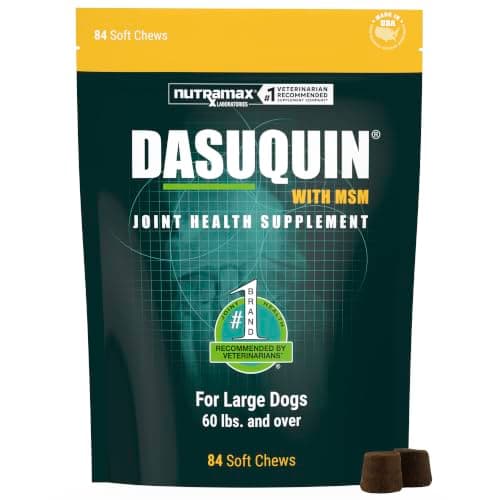
Cosequin's bigger sibling from the same maker, adding ASU to the glucosamine/chondroitin base. Often the step-up owners are pointed to for a large dog — again, a vet conversation.
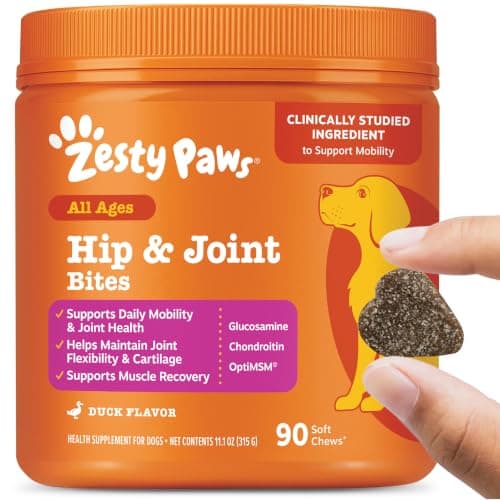
A soft chew that combines glucosamine with green-lipped mussel and other joint ingredients. Popular because dogs eat it happily — useful when a fussy dog refuses tablets.
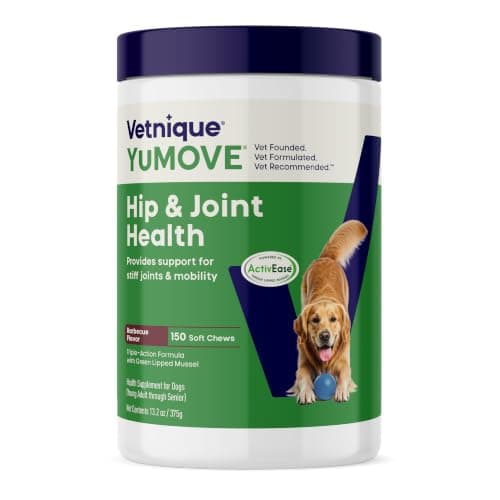
The best-documented green-lipped mussel chew on the shelf — a named source, a stated daily count, and sizing guidance that goes by the dog's weight instead of a shrug.
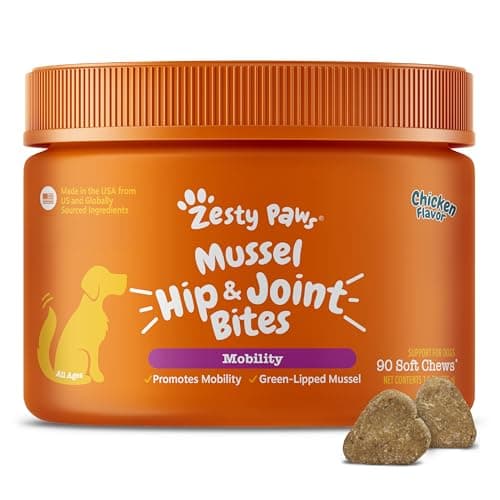
New Zealand green-lipped mussel alongside glucosamine, chondroitin and omega-3 in one soft chew — the everything-in-one option for a dog that will only take one thing a day.
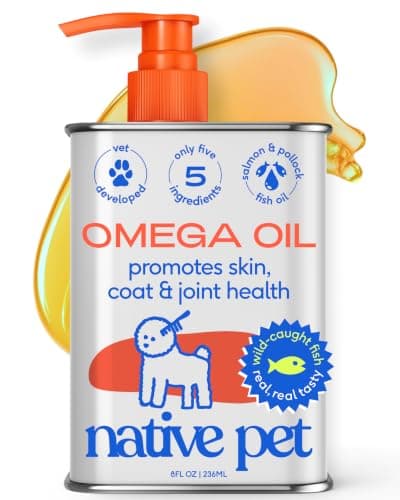
A single-ingredient pump-top salmon oil with a clear label — no proprietary blend, no mystery flavoring, and a dose you can actually measure onto food.
#ad · Live prices from the Amazon Product API, as of November 22, 2026. Where we have no verified live price we show none — we would rather leave a gap than print a number that has rotted.
In detail
The picks, in full
01
Large dogs, a step up from Cosequin
Nutramax Dasuquin for Large Dogs
Glucosamine + chondroitin + ASUChewableLarge-dog formulationMade by Nutramax
8.3/10
Cosequin's bigger sibling from the same maker, adding ASU to the glucosamine/chondroitin base. Often the step-up owners are pointed to for a large dog — again, a vet conversation.
Ingredient clarity
9
Easy to give
8.5
Size match
8
Value
7.5
Pros
+Adds ASU to the familiar Nutramax base
+Dosed and sized for large dogs
+Same trusted manufacturer
Cons
−Pricier than Cosequin
−Effect varies dog to dog, like any supplement
Don't buy this if…
…your dog is small — buy the size formulated for their weight rather than the large-dog version.
Soft chewsGlucosamine + green-lipped musselTreat-like formatSized by weight
8.3/10
A soft chew that combines glucosamine with green-lipped mussel and other joint ingredients. Popular because dogs eat it happily — useful when a fussy dog refuses tablets.
Green-lipped mussel with glucosamine150-count chewsFor adult dogsWeight-based feeding guidance on the label
8.6/10
The best-documented green-lipped mussel chew on the shelf — a named source, a stated daily count, and sizing guidance that goes by the dog's weight instead of a shrug.
Label clarity
9
Ease of giving
9
Sizing guidance
9.5
Value
7
Pros
+Names the mussel source rather than listing a vague 'marine complex'
+Weight-banded feeding guide, so you are not guessing the amount
+Chew format most dogs take as a treat
Cons
−One of the pricier options per day
−150 count runs down fast on a big dog's serving
Don't buy this if…
…your dog has a shellfish sensitivity, or is on other joint medication — both are conversations to have with the vet before you start.
New Zealand green-lipped musselWith glucosamine and chondroitinPlus omega-3 fatty acidsSoft chew format
8.5/10
New Zealand green-lipped mussel alongside glucosamine, chondroitin and omega-3 in one soft chew — the everything-in-one option for a dog that will only take one thing a day.
Label clarity
8
Ease of giving
9.5
Sizing guidance
8
Value
8.5
Pros
+Combines the three things owners usually buy separately
+Soft chew suits a dog that spits out tablets
+Widely available, so the routine never breaks for a stock-out
Cons
−A combined chew means less control over any single ingredient's amount
−Soft chews carry more flavoring and binder than a powder
Don't buy this if…
…your vet has asked you to control one specific ingredient — a single-ingredient powder gives you that control and this does not.
Wild Alaskan salmon oilPump dispenserListed for skin, coat, joints and heartFor dogs and cats
8.9/10
A single-ingredient pump-top salmon oil with a clear label — no proprietary blend, no mystery flavoring, and a dose you can actually measure onto food.
Label clarity
9.5
Ease of giving
9
Sizing guidance
8.5
Value
8.5
Pros
+One ingredient, plainly stated — the easiest label on this page to understand
+Pump makes a repeatable daily dose genuinely repeatable
+Poured over food, so there is no pill to hide
Cons
−Liquid oil goes rancid once opened — it wants refrigerating and using up
−Fishy smell on the dish and on the dog
Don't buy this if…
…your dog is already on a vet-prescribed omega supplement — doubling up on fish oil is not a free win, and your vet should set the total.
A human glucosamine tub. Never. Human supplements and chews are sweetened, and the sweetener is frequently xylitol, which is seriously toxic to dogs - VCA describes a rapid, dangerous drop in blood sugar and, at higher doses, liver injury. The dose is also scaled for an adult human. The saving is not worth the risk, and this is the single most dangerous mistake in the category.
Two products at once. Adding a second joint chew on top of the first is not a stronger version of one - it is an unplanned double dose of whatever they share. If you are switching, switch; do not stack. Are joint supplements safe covers this properly.
A supplement instead of an appointment. If your dog's stiffness has changed recently, or it is limping, or it cries getting up, no tub on this page is the right next step. Comfort support sits alongside a diagnosis, never in place of one.
How to switch without wasting the trial
Most owners cannot tell whether a switch helped, and it is almost always because of how the switch was done rather than the product.
Change one thing. If you start a new chew, a fish oil and a heated bed in the same week, you will never know which - if any - of them did anything. Change one variable and hold everything else still.
Give it weeks, not days. Owners who report a change almost always describe it over weeks. How long a joint supplement should take sets out a fair trial length and when to call it.
Write down three countable things before you start. How many minutes the morning stiffness lasts, whether the dog manages the stairs unaided, how far it gets before the pace drops. General impressions drift toward what we hope to see; three numbers do not.
Finish the old tub first if you can. Overlapping two products is the stacking problem above, and it also ruins the comparison.
Tell your vet what you changed and why. Particularly if your dog is on prescribed pain relief, where a supplement change is information your vet wants rather than a side project.
The cheapest alternative of all
It is not a product, and we would rather say it than sell around it. Three of the things that make the biggest difference to an arthritic dog's day cost nothing or nearly nothing: taking the slip out of the floors it stands up on, removing the jump down off the bed, and getting the weight off. All three are real mechanical changes with no uncertainty about whether they do something.
We compiled the published specifications, manufacturer manuals and aggregated owner reviews, then scored each product against a published rubric. The scores are judgments from that research — they are not measurements we took in a lab, because we don't have one and we won't pretend we do. Prices are pulled live from Amazon; where we can't verify one, we say "check price" rather than print a stale number.
Questions
Frequently asked
What is a cheaper alternative to Cosequin?+
For a glucosamine-style product, a multi-ingredient soft chew from a lower-priced brand is usually the cheapest like-for-like swap. For the cheapest option in the category outright, a single-ingredient salmon oil costs a fraction of a chondroprotective chew and works on a different mechanism rather than a cheaper version of the same one. Compare cost per day at your dog's weight, not price per tub - for a large dog that changes the ranking.
Is Dasuquin better than Cosequin?+
They are made by the same company, and Dasuquin adds ASU to the glucosamine and chondroitin base. That makes it the step up a vet is most likely to name next rather than a different philosophy, and it costs more per month. We compare the two directly in Cosequin vs Dasuquin. Neither comes with a promise: this is a category where the honest summary of the evidence is that the question remains largely unanswered.
What is better than Cosequin for dogs?+
Nothing on a supplement shelf is reliably "better" - no product in this category has evidence strong enough to claim it. What is genuinely different is a different active: green-lipped mussel, or omega-3 from fish oil, which is the cheapest and works by another route. And if your dog is uncomfortable today, the things with the strongest evidence behind them are a vet's pain plan and weight loss, neither of which is a supplement.
My dog spits out Cosequin tablets. What should I switch to?+
Try the same maker's soft chews before switching brands - that changes the one thing that was failing and keeps the maker you chose. If your dog refuses soft chews too, the treat-style chews from the soft-chew specialists are formulated for exactly this dog. A powder mixed into wet food is the third route, and the one that gives you the most control over the amount.
Can I give my dog human glucosamine instead?+
No. Human supplements are frequently sweetened with xylitol, which is seriously toxic to dogs, and the dose is scaled for an adult human. There is no version of this saving that is worth the risk.
How long should I wait before deciding a Cosequin alternative is not working?+
Weeks rather than days, at a consistent daily amount, with nothing else changed at the same time - and with three countable observations written down before you started so you have something to compare against. If there is no difference after a fair trial, the useful next conversation is with your vet about pain management rather than a third tub.
We don't run a testing lab, and we don't pretend to. Product facts are compiled from manufacturer listings and manuals; health facts are cited to reputable veterinary sources. Where we couldn't verify something, we say so on the page rather than quietly leaving it out. Read our full method.