Roundup
The best support harnesses for a dog with weak back legs
Padded rear slings and lift harnesses that support weak back legs and spare your back — ranked with live prices.
Top pick
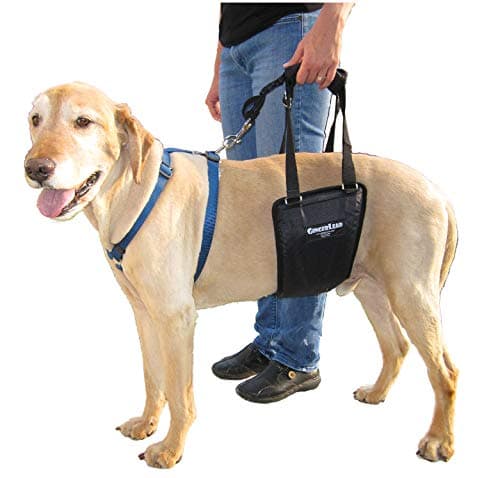
GingerLead Rear Support Sling Harness
$69.95
When you're the one lifting
When a dog can't get its back end up on its own, you become the mobility aid. The right harness protects your dog's dignity and your back — here's how to choose by where the weakness actually is.
The hardest stretch of a dog's aging is when it can't stand or bear weight on its own and someone has to help — usually the owner, often several times a day, sometimes a large dog and an older person. The gear that helps is not one thing. A dog that's weak only in the back end needs a rear-support sling or harness that lifts the hips while the front legs still work. A dog that's unsteady all over needs a full-body harness with handles front and back. A dog that has lost a back end entirely may be ready for a wheelchair. We map each aid to the specific weakness it's for, so you buy the one that fits your dog rather than the one with the best listing photo.
We earn a commission when you buy through our Amazon links, at no extra cost to you. It never changes our rankings, and we say so when the cheaper product is the better buy. How this works.
Our top pick right now
A padded belly sling on a long lead so you can support a dog's back end and walk upright behind it — the kind thing for both the dog's hips and your back.
Price as of October 20, 2026. Prices change — Amazon's is the one that counts.
#ad · we may earn a commission from this link to GingerLead Rear Support Sling Harness
Explore this hub
Roundup
Padded rear slings and lift harnesses that support weak back legs and spare your back — ranked with live prices.
Top pick
GingerLead Rear Support Sling Harness
$69.95
Roundup
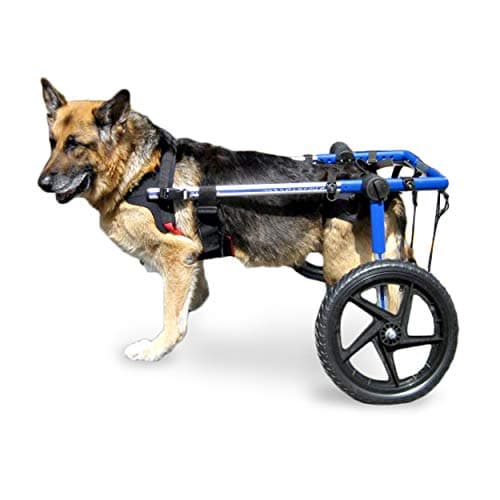
Rear-support carts from fully adjustable to budget, for a dog that's lost the use of its back legs — priced live, vet-first.
Top pick
Walkin' Wheels Dog Wheelchair
$529.00
Roundup
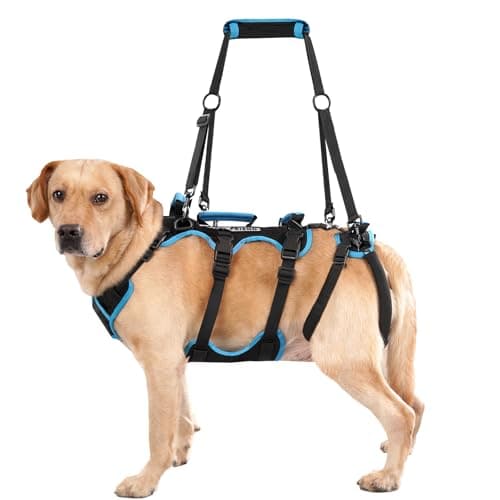
Front and rear handles on one garment, for a dog that's unsteady at both ends — ranked with live prices.
Top pick
Lafoty 2-in-1 Full-Body Dog Lift Harness
$119.95
Roundup
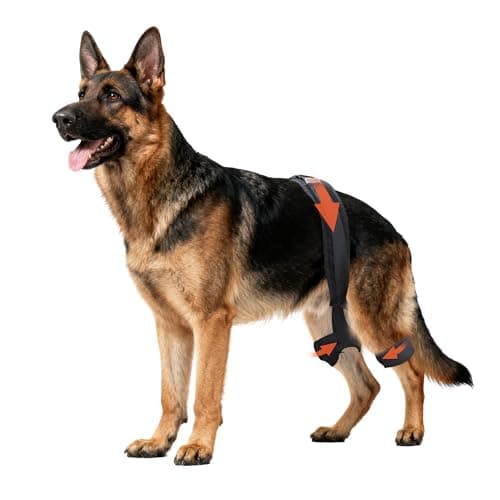
What a hip brace realistically does for a dysplastic or arthritic dog, when to see a vet instead, and the picks worth the money.
Top pick
Yinchogee Dog Hip Brace
$31.99
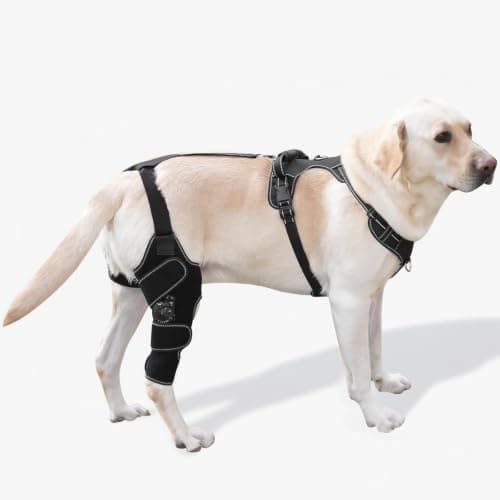
Roundup
Stifle braces for a senior dog with cruciate weakness — ranked on real support, fit range and whether they stay where you put them. Vet-first throughout.
Top pick
FurWell Dog Knee Brace with Chest Harness
$89.99
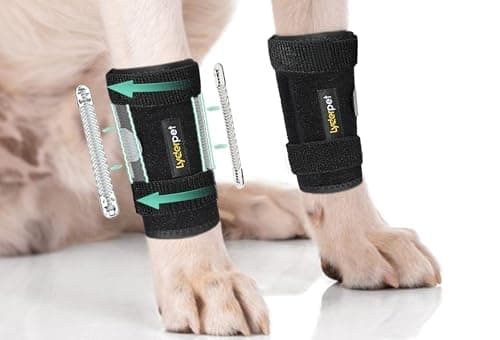
Roundup
Carpal braces, elbow protectors and a front-end lift sling — the support gear for a dog whose weakness is at the front, ranked with live prices.
Top pick
Lyderpet Dog Carpal Brace with Metal Splints
$17.89
Roundup
What to buy, and when, for a dog with degenerative myelopathy — from the first scuffed nails to a cart and a waterproof bed. Ranked with live prices.
Top pick
GingerLead Rear Support Sling Harness
$69.95
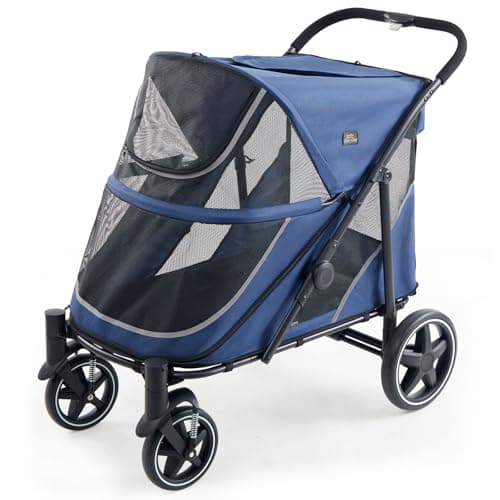
Roundup
The strollers and wagons that suit a stiff old dog — judged on step-in height, floor length and the lift you have to do. Ranked with live prices.
Top pick
CANINE CANYON All-Terrain Pet Stroller
$189.99
Roundup
Slings and lift harnesses for the leash-only weeks after TPLO or cruciate surgery, chosen around what veterinary discharge instructions actually ask for. Live prices.
Top pick
GingerLead Rear Support Sling Harness
$69.95
Roundup
The Walkin' Wheels rear cart, reviewed from its maker's manual and sizing guides: what adjusts, the harness, the quad conversion, and when a budget cart will do.
Top pick
Walkin' Wheels Dog Wheelchair
$529.00
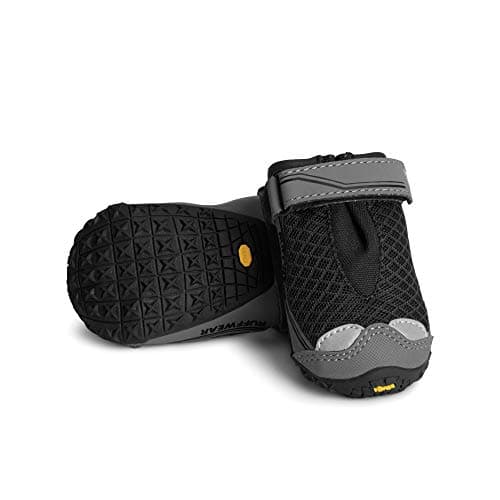
Roundup
Soles that survive a dragged paw, boots sold in pairs so you only buy the two you need, the rehab sock that teaches the foot to lift, and the drag bag for the stage after boots. Six picks, live prices.
Top pick
Ruffwear Grip Trex Dog Boots (pair)
$49.99
Roundup
Carts and rear-support slings that genuinely size down for a dachshund, corgi or any dog under about 25 lb - ranked on fit at the small end, not on how well they work on a labrador.
Top pick
Walkin' Wheels Dog Wheelchair
$529.00
Roundup
Rear slings and full-body lift harnesses ranked for a 70-100 lb senior dog - judged on where the load lands, whether you can stand upright, and what survives daily use.
Top pick
GingerLead Rear Support Sling Harness
$69.95
Roundup
The GingerLead rear sling reviewed from the maker's own sizing guide and FAQ: the towel test, the long lead, the cutout, and the dogs it is wrong for.
Top pick
GingerLead Rear Support Sling Harness
$69.95
Roundup
The dachshund mobility kit in the order you actually need it - sling first, cart if the legs do not return, drag bag for indoors. Priced live.
Top pick
Walkin' Wheels Dog Wheelchair
$529.00
Guide
Support the back end, add grip, improve lighting, and know when to route around stairs entirely — the practical how-to.
Guide
Where to put your hands, how to protect your back, what never to lift by, and the gear that makes a daily lift sustainable.
Guide
The signs a sling is no longer enough, what a cart genuinely fixes, and the questions to ask your vet before buying.
Guide
The measurements that matter for harnesses, braces and wheelchairs — how to take them, when to take them, and the mistakes that cause most returns.
Comparison
The decision guide between the two big mobility buys: what a sling does, what a full harness does, and which your dog's weakness actually calls for.
Guide
Mobility gear picked for the owner's body, not just the dog's: one-handed straps, arthritic hands, bad backs, and managing a large dog alone.
Guide
The four ways a support harness fails to fit an old dog, how to tell which one you have, and which are fixable without buying again.
Guide
Worth it for the dog whose legs work but whose distance does not - and a bad idea for almost every other dog. What the AKC's vets say, and the one rule that keeps it honest.
Guide
What a hip brace can and cannot do for an arthritic or dysplastic dog, who it suits, the four dogs it will not help, and when a lifting sling is the better purchase.
Guide
The three price tiers of dog wheelchair, what each one actually buys, the costs nobody lists on the product page, and the cheaper things worth trying first.
Guide
Hip, knee, front wrist or elbow - how to tell which joint is failing from what you can see, and what each brace can and cannot do.
Guide
The three price tiers of dog leg brace, what each one actually buys, the costs that are not on the product page, and why the expensive end does not buy a different kind of device.
Match the aid to where the weakness actually is. Buying the wrong category is the most common mistake here.
If your dog's front legs still work but the back end is giving out — struggling to stand, knuckling, slipping behind — a rear-support sling lifts the hips while the dog powers along with its front legs. A long-handled sling lets you stand upright behind the dog, which matters a great deal for your own back over weeks of daily help. See our rear-leg support picks.
A dog that's weak or wobbly in front as well as back needs handles at both ends so you can steady or lift the whole dog. Full-body harnesses cost more and take longer to fit, but for a dog that's genuinely unsteady they're the safer, kinder tool.
When a dog can no longer bear weight on its back legs at all, a rear-support cart can give it its walks back. This is a decision to make with your vet — a cart is right for some dogs and not others, and fit matters enormously. An adjustable cart forgives a growing or changing dog; a budget cart gets a confirmed case rolling for less.
Support the hips and chest, not the belly or the legs; let the harness do the lifting, not your back; and keep the dog's spine level. A good sling with a handle placed over the hips is designed to make this posture natural.
Keep reading
Questions
The honest version
We don't run a testing lab. We compile the specs that actually decide whether a product helps a senior dog, score them against a published rubric, verify prices live from Amazon, and tell you plainly who each pick is not for. When a question is medical, we say so and point you to your vet. How we're funded.