Roundup
The best orthopedic dog beds for a dog with arthritis
Support foam, a low entry a stiff dog can manage, and a washable cover — ranked for arthritic seniors with live prices.
Top pick
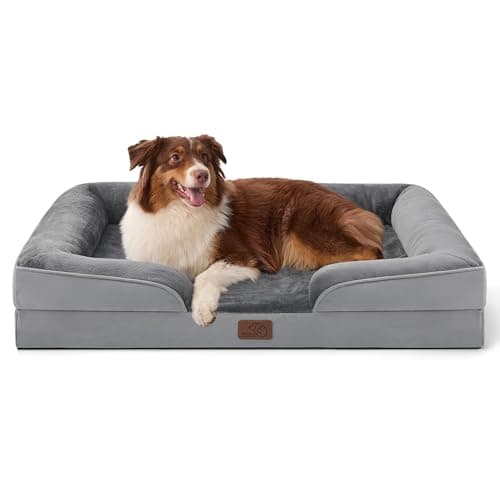
Bedsure Orthopedic Dog Bed
$39.99
Comfort where they sleep
A senior dog spends most of the day lying down. The right bed is the single change that helps a sore, stiff dog the most — here's how to pick one, and which ones we'd actually buy.
An orthopedic bed isn't a marketing word — it's a foam decision. What makes a bed help an arthritic dog is a base of genuine support foam thick enough that a heavy dog doesn't sink through to the floor, a cover that comes off and survives the wash, and an entry height low enough that a stiff dog can step on without a jump. Almost everything else is upholstery. We compile the specs that decide those three things, tell you what size fits your dog's weight, and say plainly when a cheaper bed is the smarter buy.
We earn a commission when you buy through our Amazon links, at no extra cost to you. It never changes our rankings, and we say so when the cheaper product is the better buy. How this works.
Our top pick right now
The one to start with. A flat egg-crate foam base, a low front edge a stiff dog can step onto, and a cover that actually machine-washes — for a price that doesn't sting.
$46.9915% off
Price as of October 20, 2026. Prices change — Amazon's is the one that counts.
#ad · we may earn a commission from this link to Bedsure Orthopedic Dog Bed
Explore this hub
Roundup
Support foam, a low entry a stiff dog can manage, and a washable cover — ranked for arthritic seniors with live prices.
Top pick
Bedsure Orthopedic Dog Bed
$39.99
Roundup
Deep support foam that a heavy dog won't flatten — the beds built for large and giant senior breeds, priced live.
Top pick
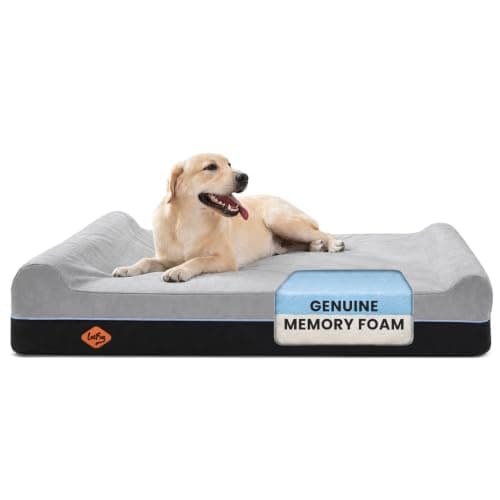
Laifug Orthopedic Memory Foam Dog Bed
$129.89
Roundup
Waterproof liner plus a machine-washable cover — the beds built for a leaky or incontinent senior dog, priced live.
Top pick
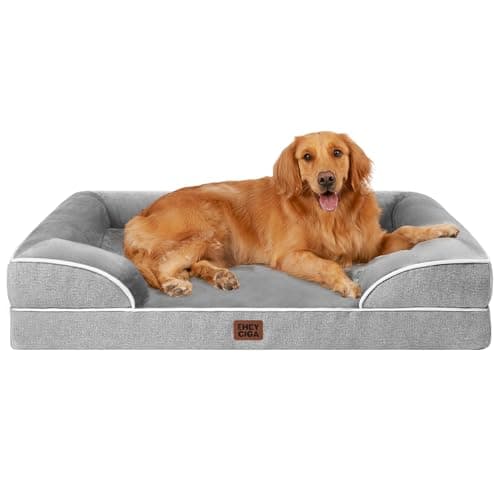
EHEYCIGA Waterproof Orthopedic Dog Bed
$32.39
Roundup
Deep foam that keeps a bad hip off the floor, matched to your dog's weight rather than its length — ranked with live prices.
Top pick
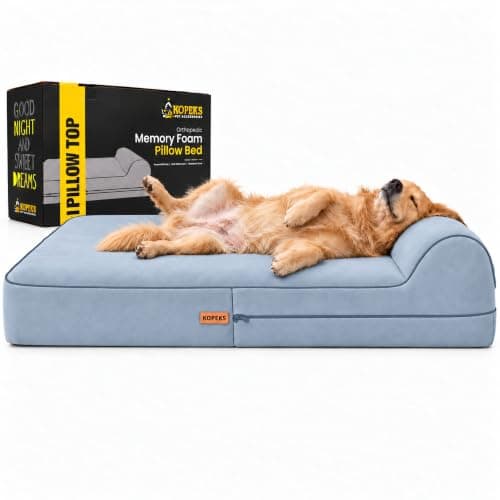
KOPEKS Orthopedic Memory Foam Dog Bed
$109.95
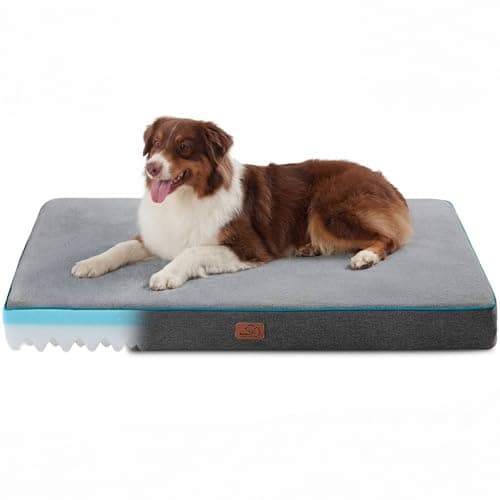
Roundup
Flat, bolster-free foam mattresses a dog with disc disease can walk straight onto — no rim, no step, no twist. Live prices.
Top pick
Bedsure Memory Foam Orthopedic Crate Pad
$49.99

Roundup
Real support foam scaled down, sides that short legs can clear, and covers that survive the wash — for small seniors, priced live.
Top pick
Bedsure Orthopedic Dog Bed for Small Dogs
Check price on Amazon
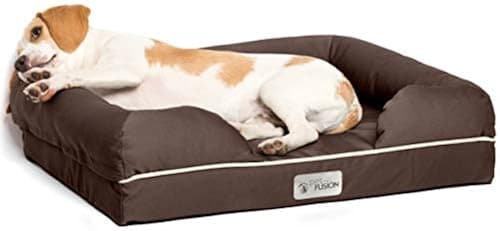
Roundup
Solid-core memory foam that holds a heavy dog up, not shredded chips in a sack — ranked, with honest notes on when egg-crate wins.
Top pick
PetFusion Ultimate Orthopedic Dog Bed
$36.44
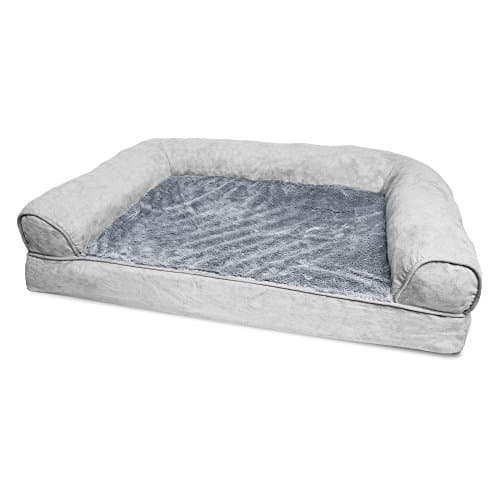
Roundup
A wall to lean on without a wall to climb — bolster beds ranked by rim height as much as foam, with live prices.
Top pick
Furhaven Orthopedic Dog Bed with Bolster
$29.99

Roundup
Deep nests for a restless old dog — what they help with, what they don't, and the ones worth buying. Live prices.
Top pick
Bedsure Calming Donut Dog Bed
$38.99
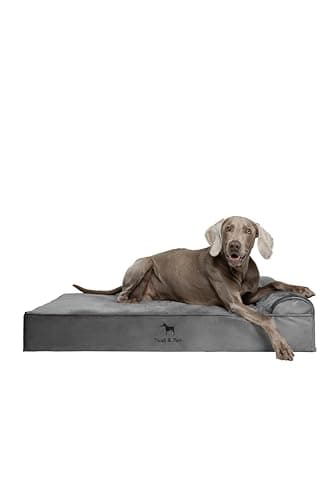
Roundup
Gel-infused orthopedic foam, elevated cots, and a topper for the bed you already own — cooling without giving up support. Live prices.
Top pick
NOAH & PAW XL Cooling Gel Orthopedic Bed
$59.99
Roundup
Real support foam, washable covers and a low front edge — the cheap beds that still do the job, and the corners you must not let a cheap bed cut.
Top pick
Bedsure Orthopedic Dog Bed
$39.99
Roundup
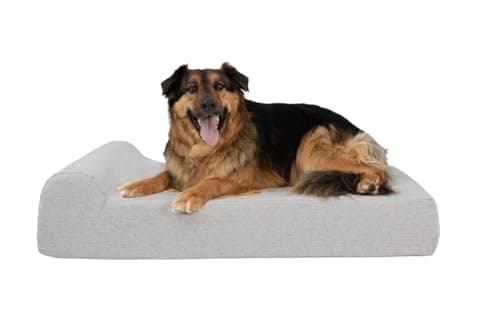
The premium option reviewed honestly: what seven inches of foam actually buys, who it suits, and the two cheaper beds we would pick for most senior dogs.
Top pick
Barker Beds 7-Inch Pillow Top Orthopedic Dog Bed
Check price on Amazon
Roundup
Flat support foam for a crate, a car trunk or a vet bench — low profile, no rim to climb, and covers that survive the wash.
Top pick
Bedsure Memory Foam Orthopedic Crate Pad
$49.99
Roundup
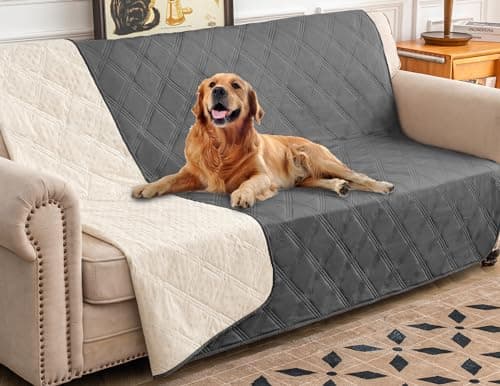
Waterproof bed covers, washable pads, belly bands and diapers — the layers that keep a leaking senior dog dry, ranked and priced live.
Top pick
Ameritex Waterproof Dog Bed Cover
$17.09
Roundup
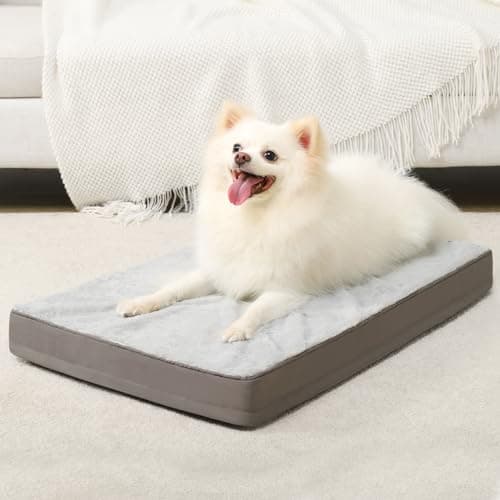
Flat support for a chondrodystrophic back, plus the cooling a brachycephalic dog needs — the beds that suit an aging Frenchie, priced live.
Top pick
KSIIA Orthopedic Dog Bed for Small Dogs
$21.99
Roundup
Thick foam that won't bottom out, a waterproof liner and top layers you can change in a minute: beds and layers for a paralyzed or down dog, priced live.
Top pick
Laifug Orthopedic Memory Foam Dog Bed
$129.89
Roundup
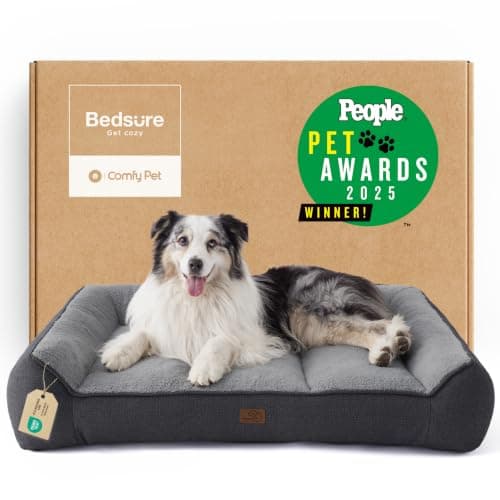
A close read of the cheap orthopedic bolster bed everyone starts with: the lowered entrance, the waterproof laminate, what its certifications really certify, and where it runs out.
Top pick
Bedsure Orthopedic Dog Bed
$39.99
Roundup
Orthopedic beds ranked for an aging German Shepherd - deep foam for a hip-dysplasia breed, enough length for a long body, and a step-in a weakening back end can manage.
Top pick
Bedsure SupportMax Extra Thick Orthopedic Dog Bed
$52.99
Comparison
Egg-crate foam vs a solid memory-foam slab, decided by your dog's weight - with the bottoming-out test, the heat trade-off and four priced picks.
Top pick
Bedsure Orthopedic Dog Bed
$39.99
Roundup
The Laifug memory-foam slab reviewed claim by claim: the stated depth, the waterproof liner, the sizes that are not the same bed, and the three dogs we would steer somewhere else.
Top pick
Laifug Orthopedic Memory Foam Dog Bed
$129.89
Guide
The honest answer: what a supportive bed does for an arthritic dog, what it can't do, and what veterinary guidance says.
Comparison
Raised cot versus foam bed, decided by your dog's joints, the room temperature and whether it can climb — plus the case for owning both.
Guide
The real reasons an old dog refuses a new bed — height, placement, smell, temperature and pain — and the fixes in the order worth trying.
Guide
Measure the dog, not the box: sleeping style, the weight-to-foam-depth question, entry height, and why size charts run small.
Guide
Firm, soft, thick, therapeutic — what the words mean on a listing, and which one an arthritic dog actually needs.
Guide
Three hands-on tests for dead foam, why a dog-shaped dent is bad news, and how long an orthopedic bed really lasts.
Guide
A stiff dog lies down where they are, not where the bed is. Where to put the second one, and why it is often the cheapest comfort upgrade there is.
Guide
Washer, dryer, soaking and steam: what the foam makers allow, how to get urine out of the core step by step, and when a bed is past saving.
Guide
Weekly for an old dog's cover, monthly at the outside - plus the two cheap layers that mean you wash a cover rather than wrestle a whole bed.
Guide
How much foam a senior dog needs by weight, why depth is the one orthopedic claim you can verify, and the point where paying for more foam stops buying comfort.
Guide
Nobody certifies dog beds. What veterinary sources actually say about bedding for an arthritic dog - and the three specs that follow from it.
Three things decide whether a bed actually helps an aching dog, and everything else is upholstery. Get these right and a cheap bed beats an expensive one.
A supportive bed has to hold your dog up without bottoming out to the floor. Solid memory foam or a dense egg-crate base does that; loose polyester fill does not, and it packs down within weeks. The heavier your dog, the more foam depth matters — a large dog on a thin mat is effectively lying on the hard floor by morning. Match the bed to your dog's weight, not just its length.
Watch how your dog gets onto its current bed. If it hesitates or stumbles at a raised bolster, a low, open front edge matters more than a plush wall. Bolsters are lovely for a dog that likes to lean a sore chin or hip against something — but only if the dog can step over them. When in doubt, lower is kinder.
Senior dogs have accidents, shed, and sometimes leak. A removable, machine-washable cover is the difference between a bed you keep and one you throw out. For an incontinent dog, look for a genuinely waterproof inner layer under the cover, so accidents don't soak into the foam and stay there.
"Orthopedic" is not a regulated word on a dog bed. It describes an intention, not a material, and two beds using it can be completely different objects inside. This is the order we would put the fills in, best to worst, and what each one really means:
There is no standard here, so treat this as our rule of thumb rather than a specification: the heavier the dog, the more depth you need before the foam stops mattering. A small dog is well served by two to three inches; a medium dog wants three to four; a large or heavy dog wants four or more, and below that you are buying a cover with an idea in it. If a listing will not tell you the foam thickness, that silence is itself information.
Two things matter and neither is the color. First, does it actually come off — a zipper all the way round, not a decorative one. Second, what is under it: a waterproof inner liner is a different layer from a "water-resistant" outer fabric, and only the liner keeps urine out of the foam. Plush and sherpa covers hold heat and hair; canvas and microsuede shed both more easily but feel harder. For a dog that overheats, the cover choice is worth as much as the foam choice.
You'll see beds like Big Barker recommended for large dogs, and for a heavy dog with serious joint pain a genuinely thick clinical-grade foam bed can be worth it. That brand now trades as Barker Beds, and its 7-inch headrest bed is sold on Amazon as well as direct, so we can price it live and we review it on its own Barker Beds page. It is still several times the price of our ranked picks, which are the ones we think give most senior dogs the support they need for far less. Buy the cheaper bed that fits your dog before you spend three figures.
Keep reading
Questions
The honest version
We don't run a testing lab. We compile the specs that actually decide whether a product helps a senior dog, score them against a published rubric, verify prices live from Amazon, and tell you plainly who each pick is not for. When a question is medical, we say so and point you to your vet. How we're funded.